- Search
- Contact
Woven Lives in Spitalfields: Chris Dyson x Christopher Farr
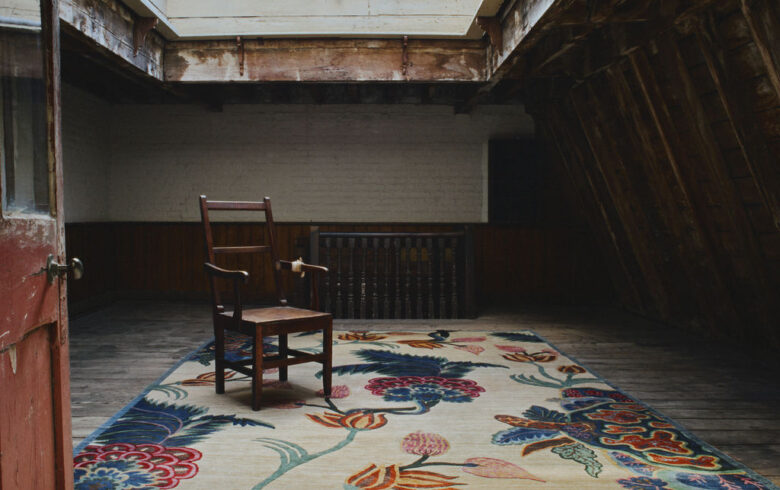
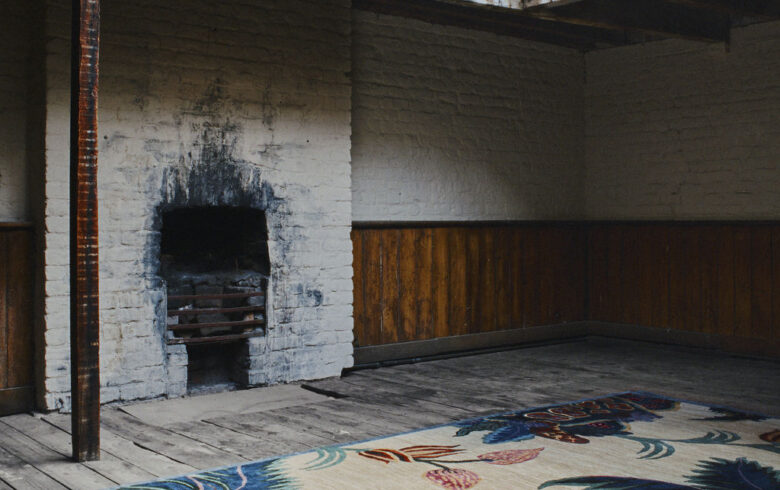
Chris Dyson Architects and Christopher Farr, expert producers of custom rugs, collaborated to create a modern reinterpretation of a historic Huguenot textile design. Both studios are based in Spitalfields, once the epicentre of London’s eighteenth-century weaving industry.
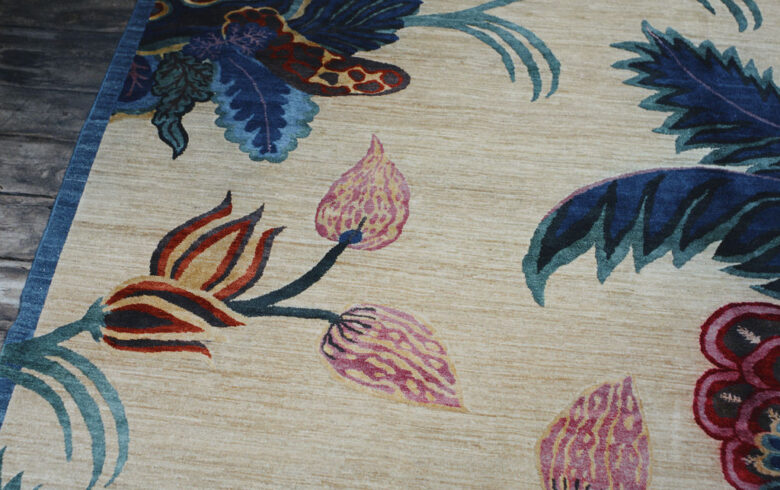
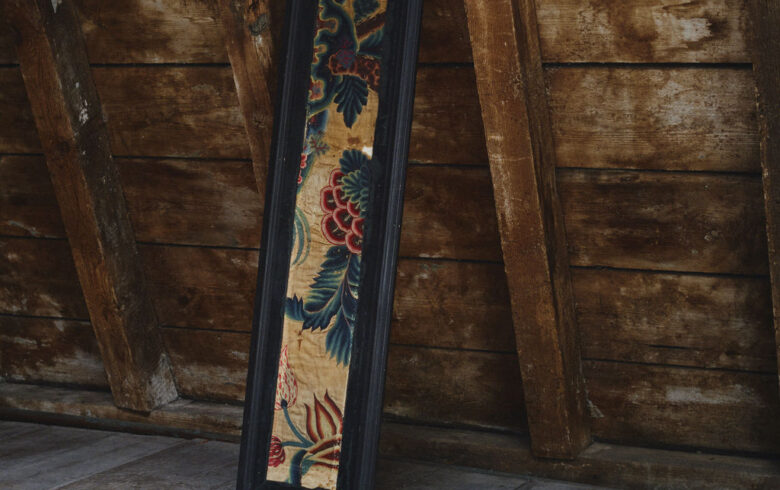
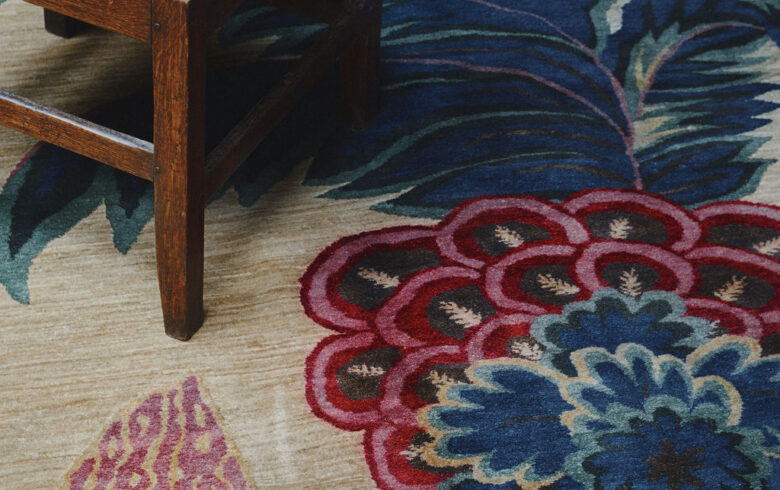
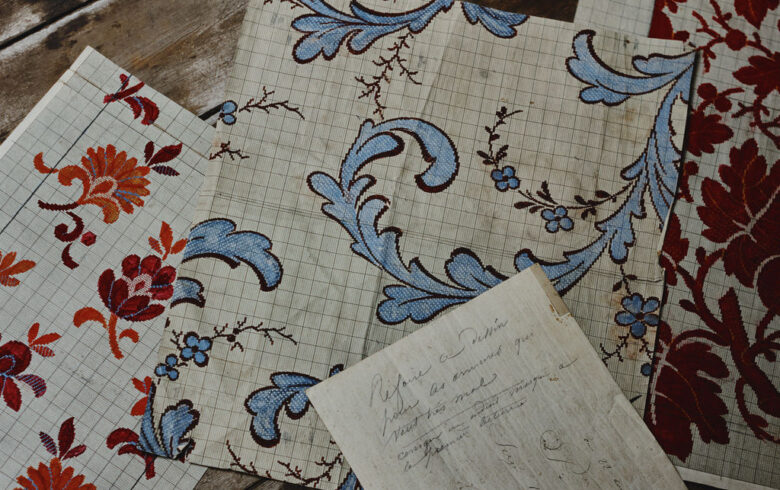
The ‘Spitalfields’ rug is informed by a sliver of original Huguenot crewel work from Dyson’s personal collection. Measuring just 15 x 70cm, the fragment provided the starting point for a much larger composition. Its flowers and fruit motifs were enlarged, expanded and reimagined across the rug, retaining the character and vibrant colours of the original while moving away from the density of historic pattern. The translation from needle to knot also echoes the relief of the original stitching. Silk motifs are worked at a higher pile, lending them emphasis against a wool ground, while a simple lower-pile border frames the design, enlivened by stems and vines that creep across it.
Hand-knotted in handspun Ghazni wool, prized in artisan rug making for its durability and softness, with all motifs in silk, the rug references the lustre of the Spitalfields silks for which the area was once famed. It was made in partnership with Turquoise Mountain, the NGO that protects cultural heritage, upholds the highest craft skills and supports the making communities, ensuring that the ambition of the design was matched by the integrity of its making.
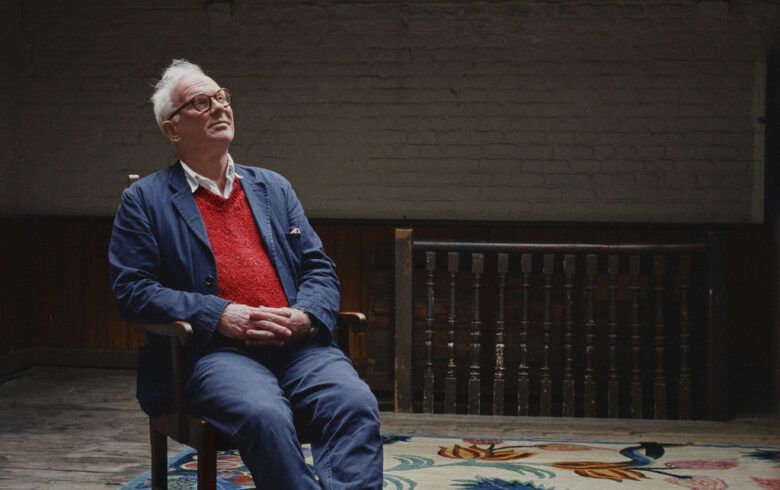
This project grew from a shared passion. Christopher Farr co-founder Matthew Bourne and Chris Dyson, whose practice is distinguished by a deep interest in heritage and intelligent conservation, both collect rare textiles. They found common ground in their interest in preserving and reinterpreting historic design and conversation quickly turned into a collaboration.
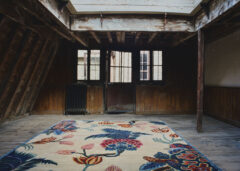
Spitalfields, just minutes from both studios, is steeped in the history of weaving. Fleeing religious persecution in France, the Huguenots arrived in the late seventeenth century, bringing exceptional skills that fuelled a period of rapid growth between 1680 and 1720. Once open fields surrounding the medieval priory and hospital of St Mary Spital, which cared for the poor, the area transformed into a bustling centre of commerce and merchant houses. The weavers’ silks, produced in small runs, were coveted the world over and developed a distinctly naturalist character. Appropriately, the Spitalfields rug was installed in the nearby Museum of the Home’s ‘parlour in 1695′ during October 2026 and featured in the FT’s HTSI guide to the season’s best rugs.